Headless CMS vs. Traditional CMS: How to Choose the Best Content Management System for Your Needs
"Content is King," said Bill Gates as early as 1996 in an essay, emphasizing the crucial role of content in the digital age. More than two decades later, this statement is more relevant than ever, and companies face the challenge of selecting the optimal technology for managing their content. They must choose between traditional Content Management Systems (CMS) and modern Headless CMS.
In a study by Gartner from 2020, it was found that "choosing a CMS is a strategic decision that can significantly impact an organization's ability to achieve its digital ambitions" (Gartner, 2020). To assist you in this important decision, we aim to explore the pros and cons of both solutions in this blog post.
We will weigh the strengths and weaknesses of traditional CMS, such as WordPress, Joomla!, and Drupal, against the innovative Headless CMS, like Contentful, Strapi, and Sanity. We will delve into the technical backgrounds and highlight the respective use cases. Our goal is to provide you with a comprehensive overview that helps you make an informed decision for the appropriate CMS, laying the foundation for the success of your web presence or digital projects.
Traditional CMS
Traditional CMS, also known as monolithic or coupled CMS, are content management systems where the frontend and backend are closely integrated. This means that the system manages both the content and the way it is presented. This close connection results in most traditional CMS being based on a server-side rendering approach, where the entire website or application is created on the server and then sent to the client. This distinguishes them from modern approaches like client-side rendering, often used in Headless CMS.

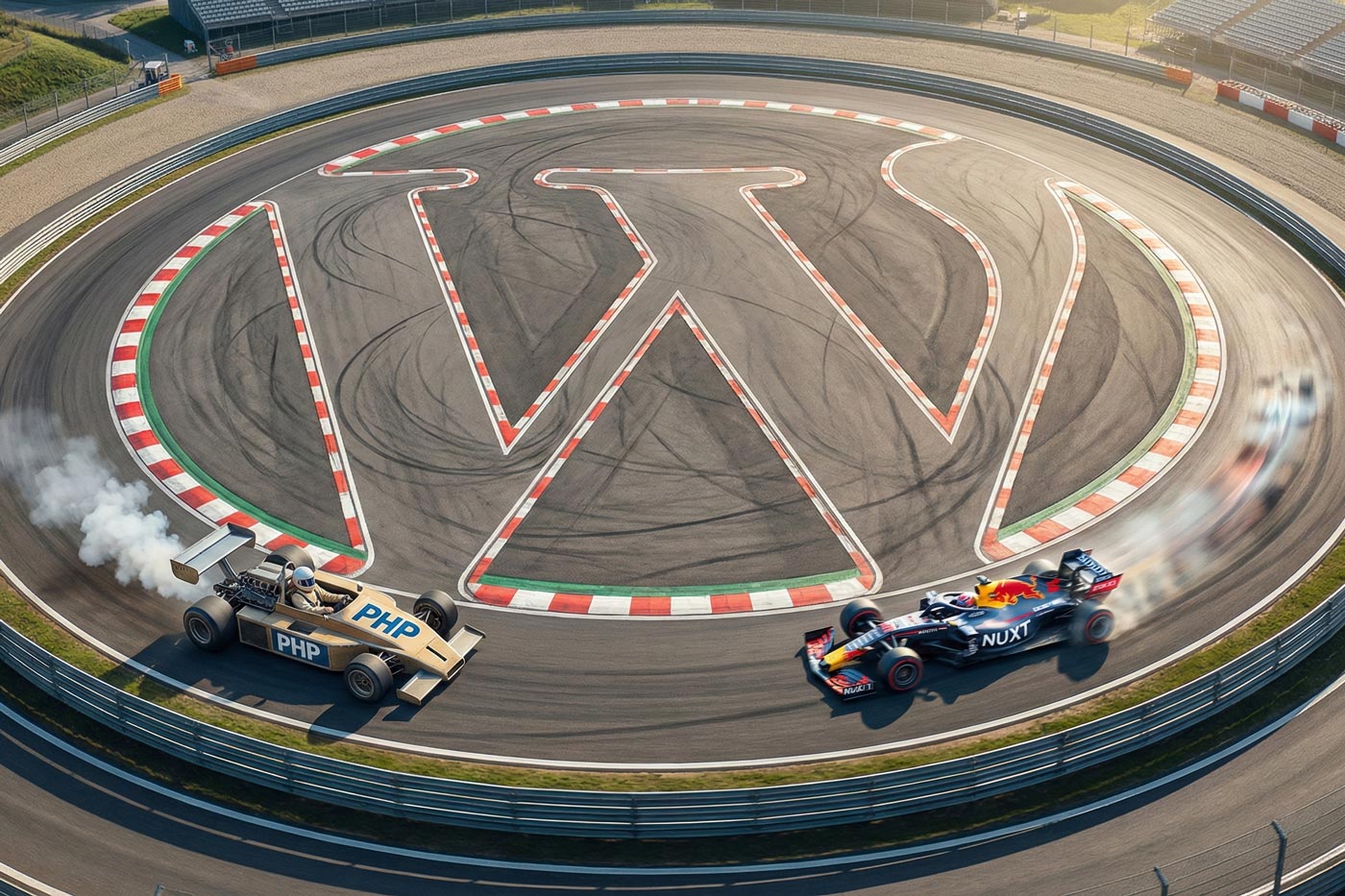
The versatile WordPress universe: An open-source solution for blogs and corporate websites
Pro
**Ease of Use:** Since design and content are integrated into one system, it is easier to design the website and update content. Even users without technical expertise can easily use the platform.
**Pre-built Templates and Plugins:** Traditional CMS offer a variety of templates and plugins that allow you to quickly and easily create an appealing website.
**Large Community:** Due to their long market presence and large number of users, there are extensive resources and an active community that provides support with problems and questions.
Contra
**Performance Drawbacks:** Since frontend and backend are merged, this can lead to speed losses, as the entire code must be regenerated with each update.
**Difficult Customizations:** A close connection between frontend and backend can make customizations and individual design more challenging, as it often requires deep code intervention to make changes.
**Limited Scalability:** Traditional CMS are not designed for the rapid growth of websites and apps, which can lead to scalability issues in larger projects.
Current Traditional CMS
WordPress
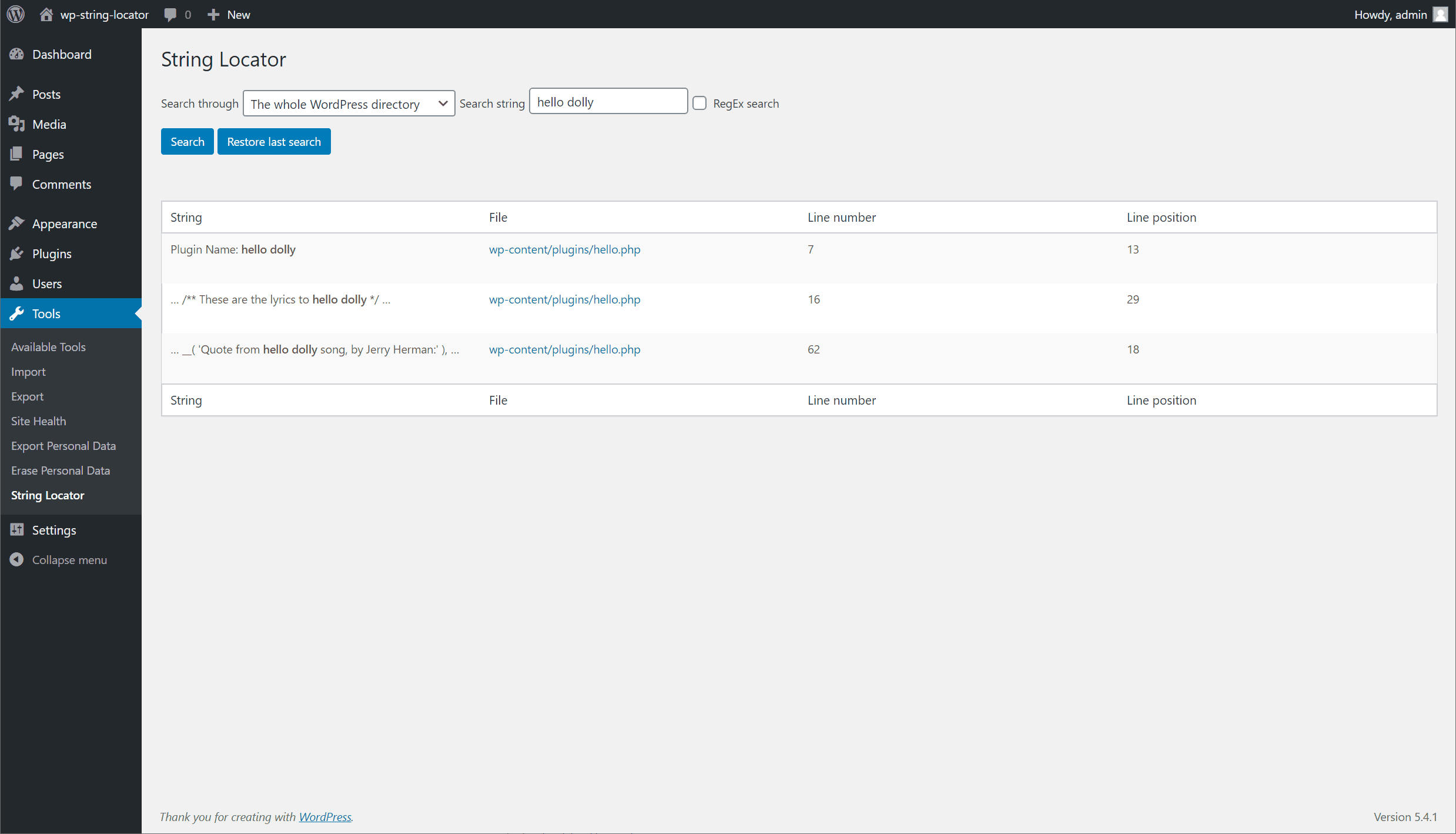
WordPress is an open-source CMS used for both blogging and corporate websites. It offers a wide range of themes and plugins, as well as an active community that provides support with problems and questions.
History: WordPress was founded in 2003 by Matt Mullenweg and Mike Little and is based on the blogging platform b2/cafelog. Today, WordPress is one of the most well-known and widely used CMS worldwide, powering millions of websites.
Joomla!
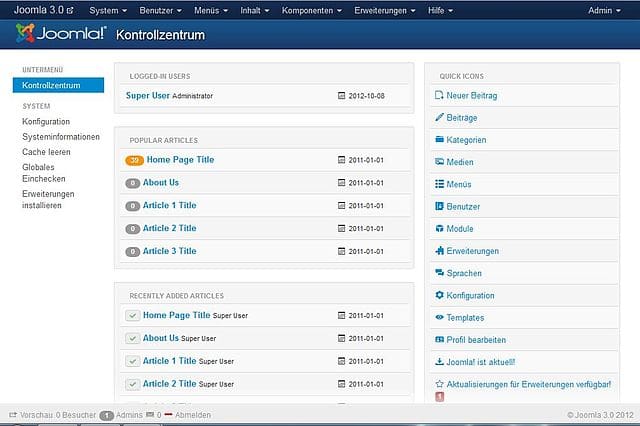
Joomla! is an open-source CMS known for its diverse features and customization options. With a wide range of extensions and an active developer community, Joomla! is a good choice for medium to large projects.
History: Joomla! was founded in 2005 as a fork of Mambo and has since developed into one of the leading CMS systems.
Drupal
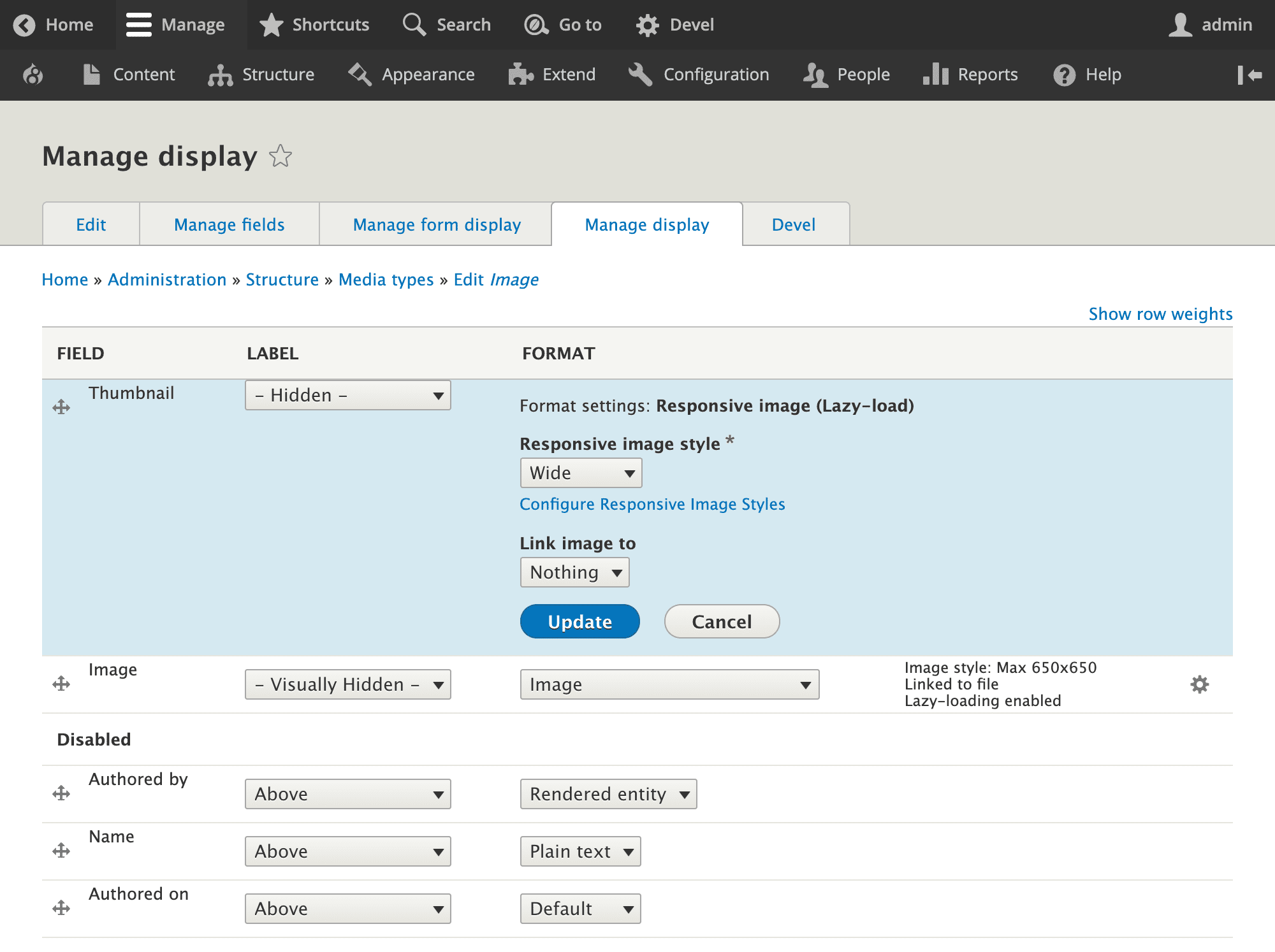
Drupal is an open-source CMS particularly suited for complex, data-intensive websites. It offers extensive features for content design and management and can be expanded with a variety of modules.
History: Drupal was developed in 2000 by Dries Buytaert and has since evolved into one of the most powerful and flexible CMS systems.
Headless CMS
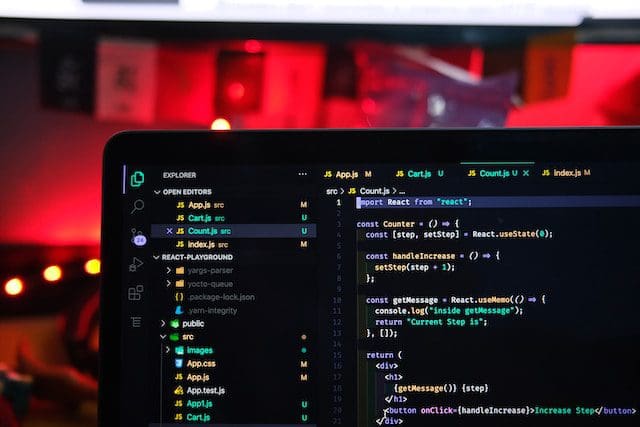
Headless CMS: Revolutionize your content management with a decoupled, API-based architecture
Headless CMS are content management systems where the backend and frontend are separated. This separation allows developers to manage content independently from its presentation and deliver it via APIs. The frontend is responsible for presenting the content and can be developed in various programming languages and technologies. This architecture follows the modern approach of client-side rendering, where the server only provides the necessary data, and the client – such as a web browser or mobile app – handles the presentation.
Pro
**Flexibility:** By separating frontend and backend, developers can use their preferred technologies and programming languages to develop custom solutions.
**Fast Load Times:** Since only the necessary content is loaded via APIs, Headless CMS are generally faster than traditional systems. This can positively impact user experience and search engine rankings.
**Omnichannel Capability:** With Headless CMS, content can be easily displayed across various platforms and devices, which is a significant advantage for companies wanting to be present in multiple channels.
Contra
**Higher Technical Effort:** The separation of frontend and backend requires a higher level of technical expertise for implementation and customization.
**Fewer Pre-built Solutions:** Compared to traditional CMS, there are fewer templates and plugins available for Headless CMS, which can complicate the design and implementation of features.
**More Complex Maintenance:** Since frontend and backend are separate, both systems must be maintained and updated independently, which means higher administrative effort.
Current Headless CMS
Contentful
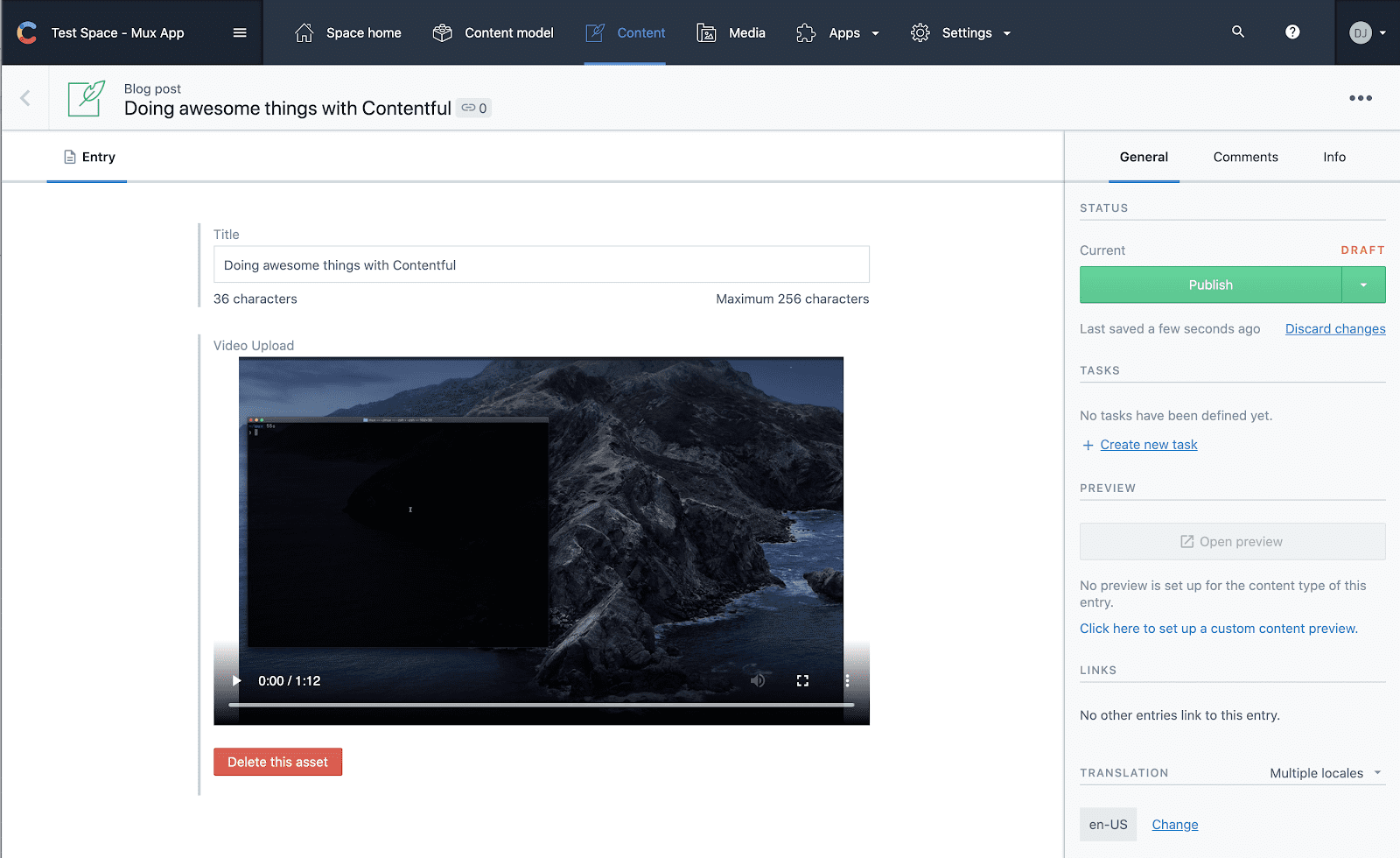
Contentful is a Headless CMS that provides content via APIs and can be integrated into various frontend frameworks. It enables centralized content management across different channels and devices and offers a flexible, scalable solution for modern web projects.
History: Contentful was founded in 2013 by Sascha Konietzke and Paolo Negri to meet the demands of modern web development.
Strapi
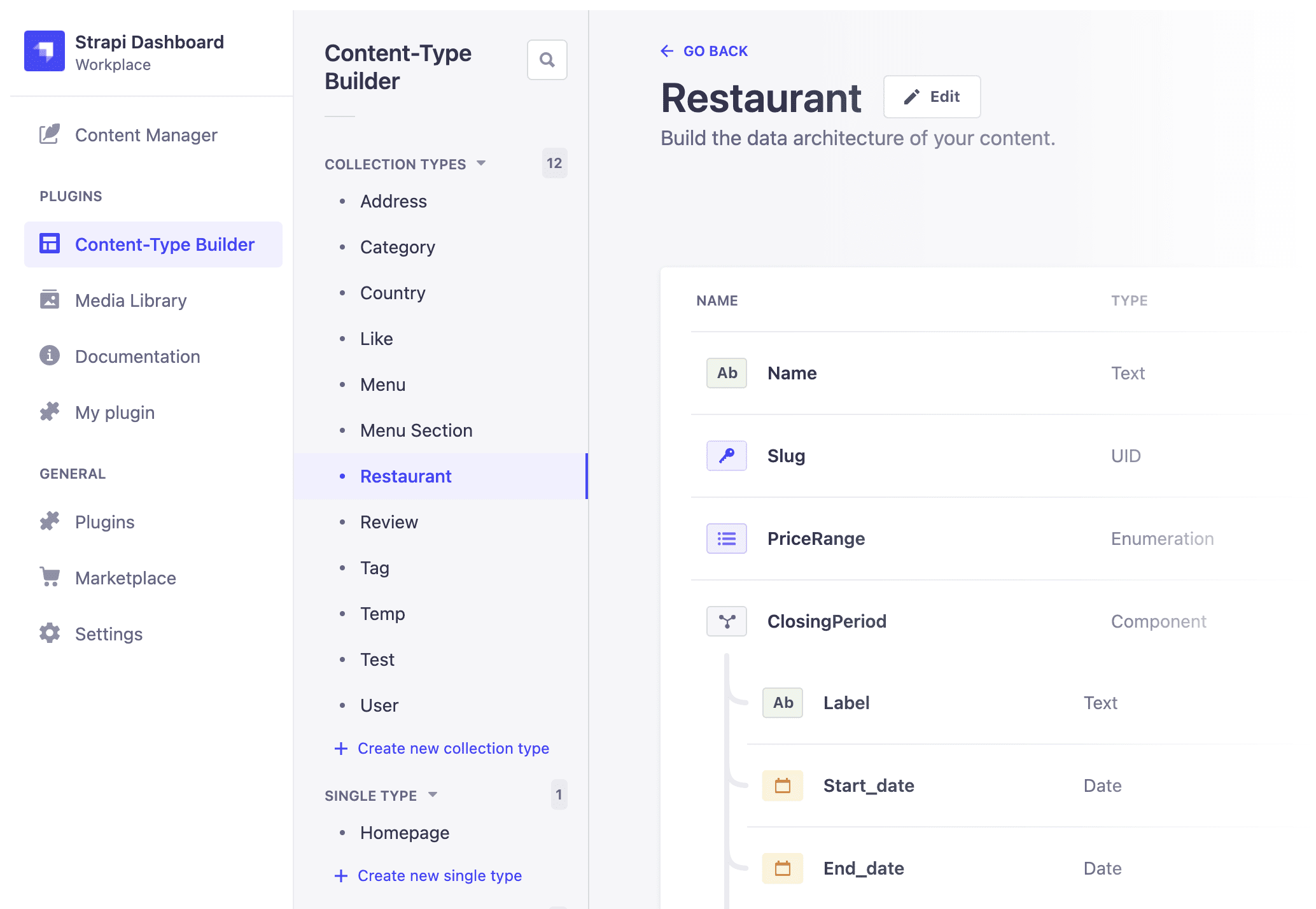
Strapi offers developers the ability to quickly and easily create and manage APIs. With its plugin system and the ability to create custom content structures, Strapi is a flexible solution for building modern web applications.
History: Strapi was founded in 2015 by Aurélien Georget, Pierre Burgy, and Jim Laurie and is an open-source Headless CMS.
Sanity
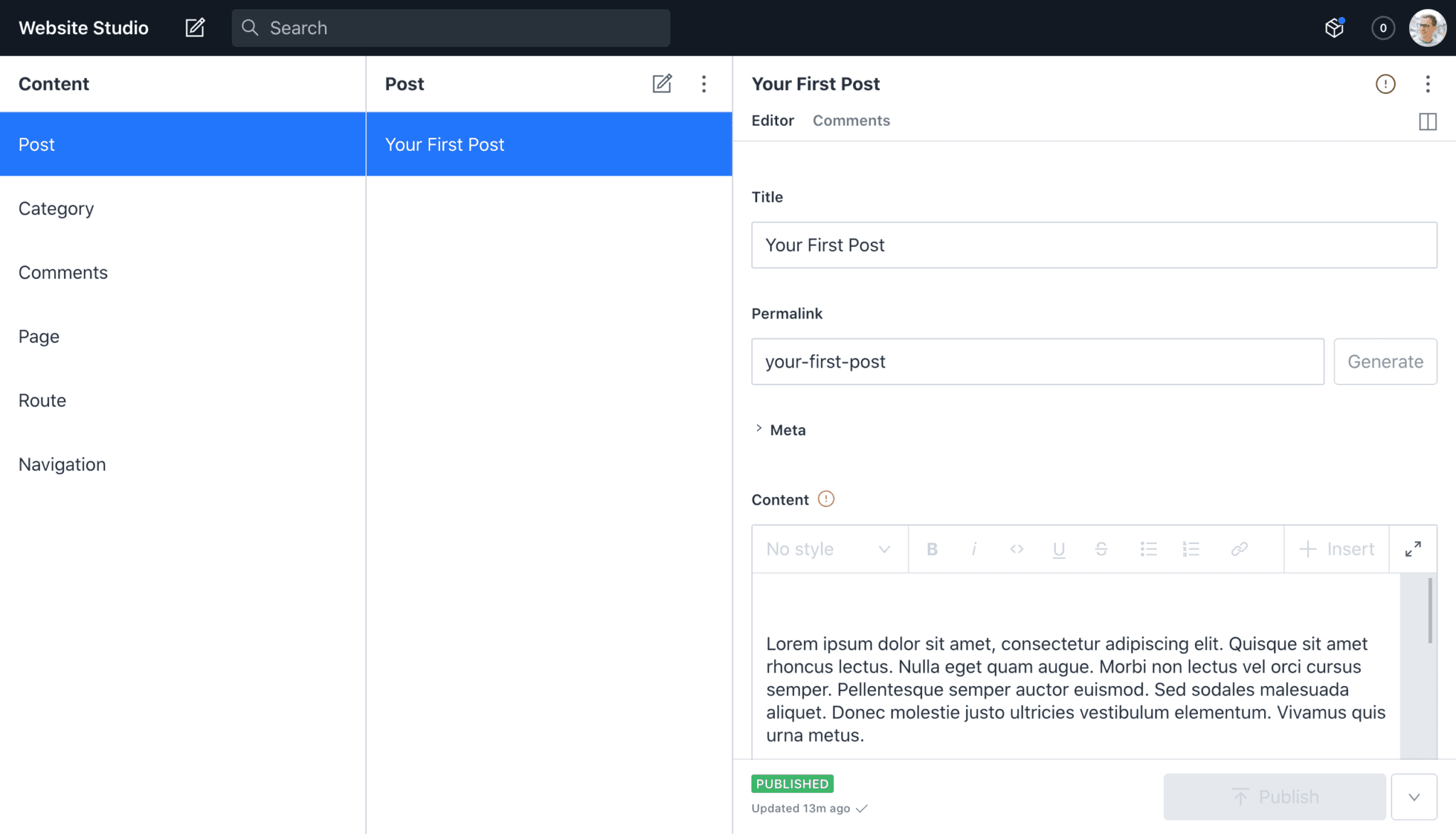
Sanity is a Headless CMS that provides content in real-time via APIs. It enables the rapid creation of web applications that run on various platforms and devices.
History: Sanity was founded in 2015 by Even Westvang and Simen Svale Skogsrud to provide a flexible solution for managing content across various channels.
Conclusion
Both traditional and Headless CMS have their pros and cons. Traditional CMS are particularly suitable for smaller projects or companies that value ease of use and a wide range of pre-built solutions. Headless CMS, on the other hand, offer more flexibility and better performance but also require a higher level of technical expertise and can be more complex to maintain.
When deciding on the right CMS, companies should carefully weigh their requirements, goals, and resources. By considering the pros and cons of both solutions, you can make an informed decision and choose the best option for your needs.
Sources:
Gartner (2020). How to Choose Your Next CMS. Available at: https://www.gartner.com/en/documents/3982307/how-to-choose-your-next-cms
Bocij, P., Greasley, A., & Hickie, S. (2018). Business information systems: Technology, development and management for the modern business. Pearson Education Limited.
Puschmann, T., & Lombart, D. (2021). Digital business models: Strategic choices and competitive advantage. Springer International Publishing.